Texas · Austin, TX
The University of Texas Tower: Remembering a Tragedy That Changed Austin
The University of Texas Tower is one of Austin’s most recognizable landmarks, standing above a campus known for innovation, tradition, and education. However, the tower also carries the memory of one of the darkest days in Texas history. The events of August 1, 1966, changed Austin forever, honored the lives of those lost, and influenced how communities and law enforcement prepared for future tragedies.
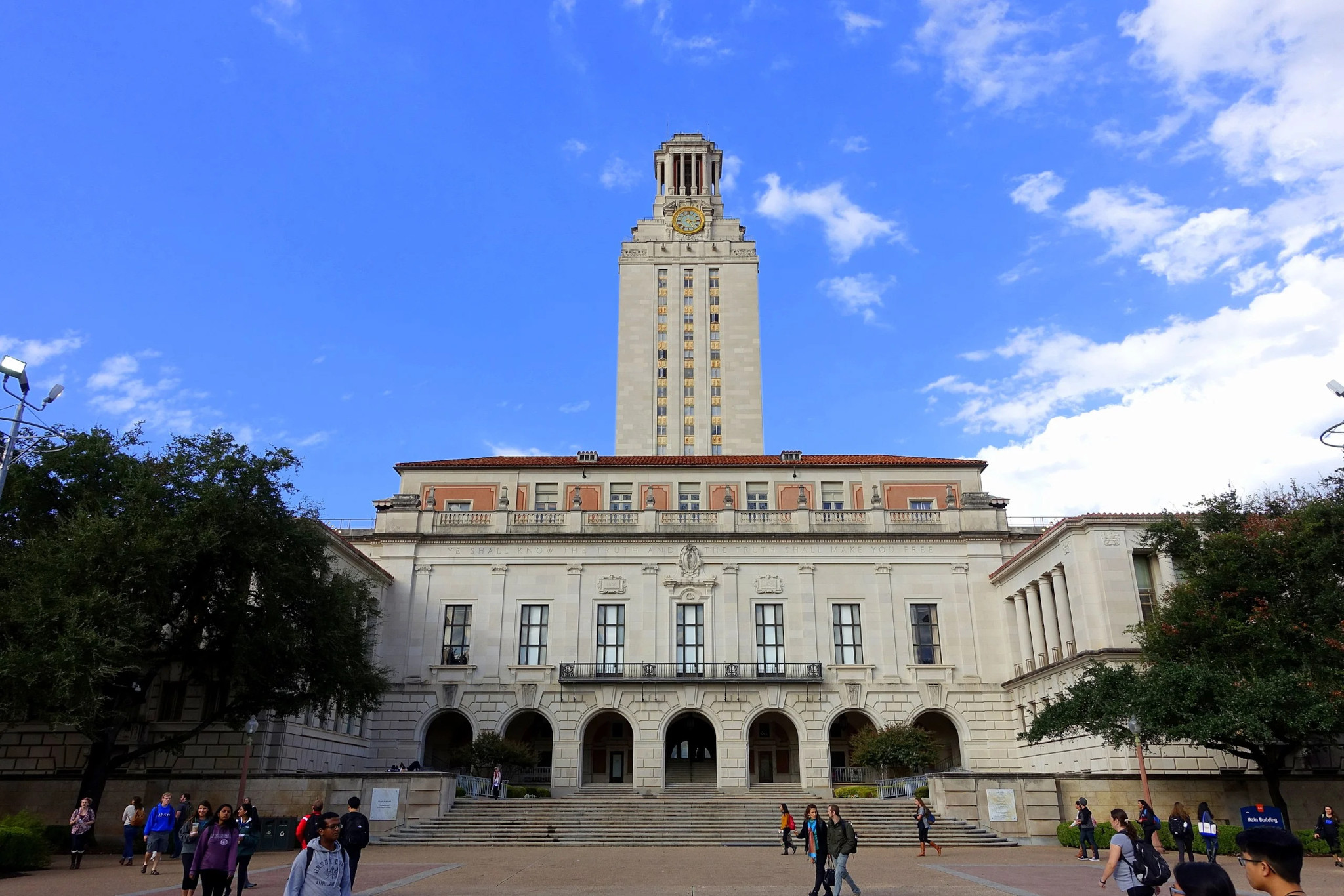
Austin, Texas is a city known for creativity, live music, technology, and a unique blend of history and modern culture. Visitors come to explore the Texas Capitol, enjoy the city's neighborhoods, experience the University of Texas campus, and discover the stories that helped shape the city.
Among Austin's most recognizable landmarks is the University of Texas Tower. Rising above the campus, the tower has become a symbol of education and tradition. However, it is also connected to one of the darkest days in Texas history.
The events of August 1, 1966, changed Austin forever, left a lasting impact on the University of Texas community, and influenced how law enforcement agencies prepared for future emergencies.
A Day That Changed Austin

On August 1, 1966, Charles Joseph Whitman, a former University of Texas student and former Marine, carried out a series of attacks that began with the deaths of his mother and his wife before moving to the university campus.
Whitman entered the Main Building and eventually reached the observation deck of the University of Texas Tower. From that elevated position, he opened fire on people below across the campus and surrounding area.
The attack lasted approximately 96 minutes before Austin police officers and other responders reached the observation deck and stopped Whitman.
The tragedy resulted in the deaths of 17 people, including an unborn child, and left many others wounded.
Remembering the Victims
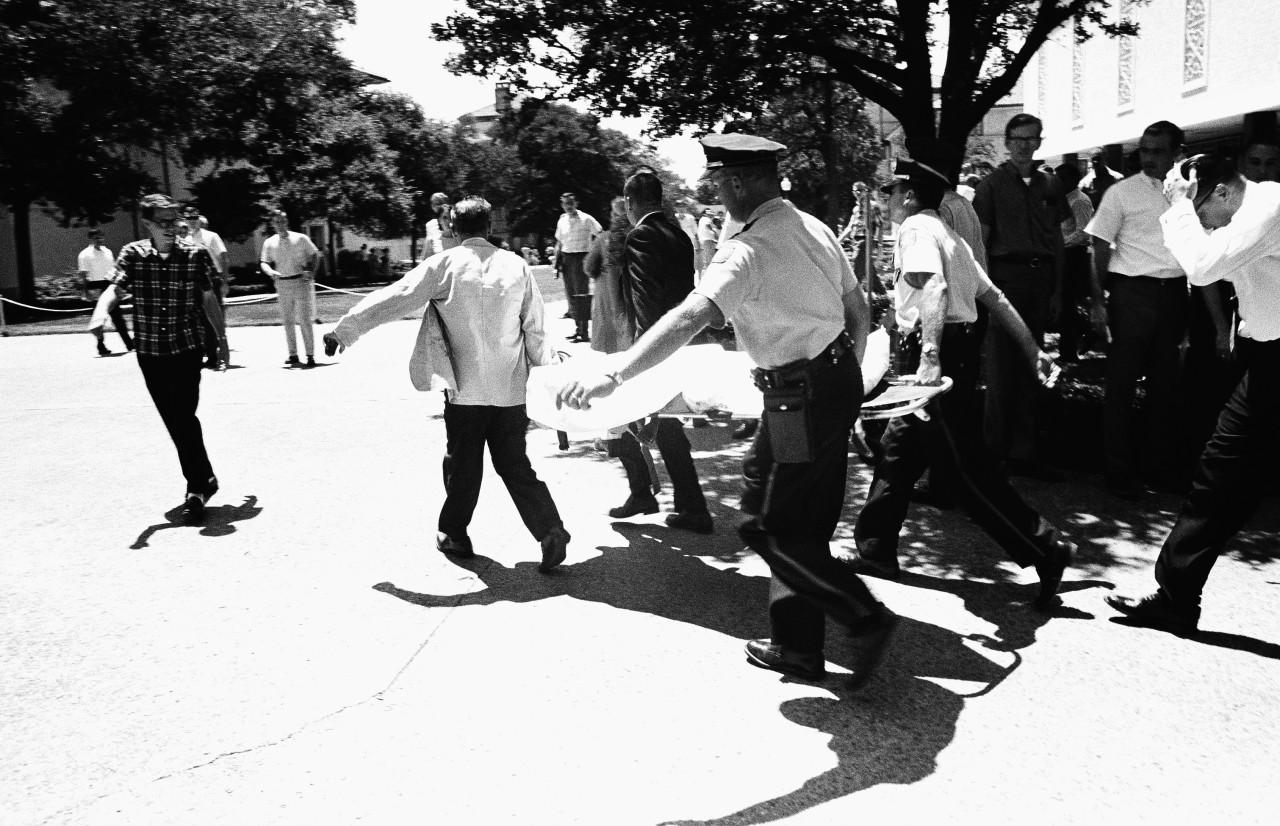
When visiting historic locations connected to tragedy, it is important to remember that the story is not only about the person responsible for the event. It is also about the people whose lives were changed forever.
The victims of the University of Texas Tower shooting were students, faculty members, university employees, and people who happened to be near campus that day.
Each person had a family, friends, and a future that was interrupted by a moment of violence.
Today, remembering the victims is an important part of understanding the history of this location and the community that continues to move forward.
The Impact on Law Enforcement
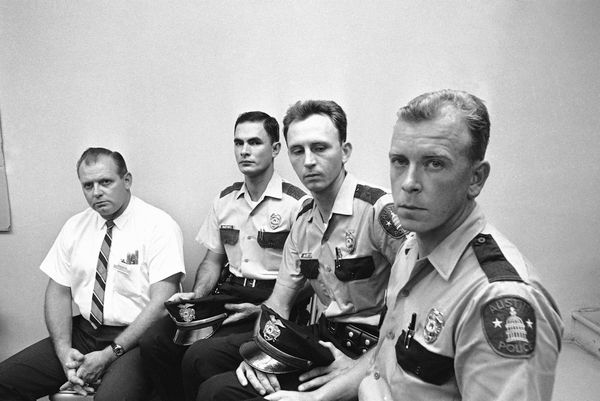
The University of Texas Tower shooting exposed challenges faced by law enforcement agencies when responding to a heavily armed attacker in a difficult elevated position.
Officers responding that day faced limitations involving communication, equipment, coordination, and tactics. The event became one of the incidents examined as law enforcement agencies developed new methods for handling extraordinary threats.
The Tower shooting is often cited as one of the events that contributed to the development of specialized police tactical teams, including SWAT (Special Weapons and Tactics) teams.
The creation of SWAT teams was influenced by multiple events and broader law enforcement changes during the late 1960s. The University of Texas Tower shooting became an important example of why specialized training, equipment, and coordinated response capabilities were needed.
Visiting the University of Texas Tower Today
Today, the University of Texas campus is a place filled with students, historic buildings, museums, and architectural landmarks.
The Tower remains one of Austin's most recognizable structures and continues to be an important part of the university and the city's skyline.
For travelers interested in history, the campus offers an opportunity to reflect on how places carry stories. Some destinations are remembered because of their natural beauty. Others are important because of the people and events connected to them.
The University of Texas Tower is one of those places.
A visit here is not simply about seeing a landmark. It is about understanding the history behind the location and remembering the people whose lives became part of that history.
Exploring Austin Beyond the Tower
Austin offers visitors many opportunities to discover history, culture, and unique experiences.
Nearby attractions include:
- The Texas State Capitol
- The Bullock Texas State History Museum
- The Blanton Museum of Art
- Historic downtown Austin
- The Colorado River waterfront
- Local music and cultural venues
The University of Texas campus is one stop in a much larger story about a city that continues to evolve while preserving the memories of its past.
Traveling Lens
Want the full-resolution original?
High-resolution photographs and video from our travels will be available for licensed download from Traveling Lens.