South Dakota · Black Hills, SD
Hiking Bear Butte: A Sacred Summit on the Edge of the Black Hills
Rising above the plains northeast of Sturgis, Bear Butte offers one of western South Dakota's most distinctive hikes. The short but steep climb rewards hikers with sweeping views of the Black Hills and Great Plains while passing through a landscape that remains sacred to several Native American peoples.
September 22, 2026
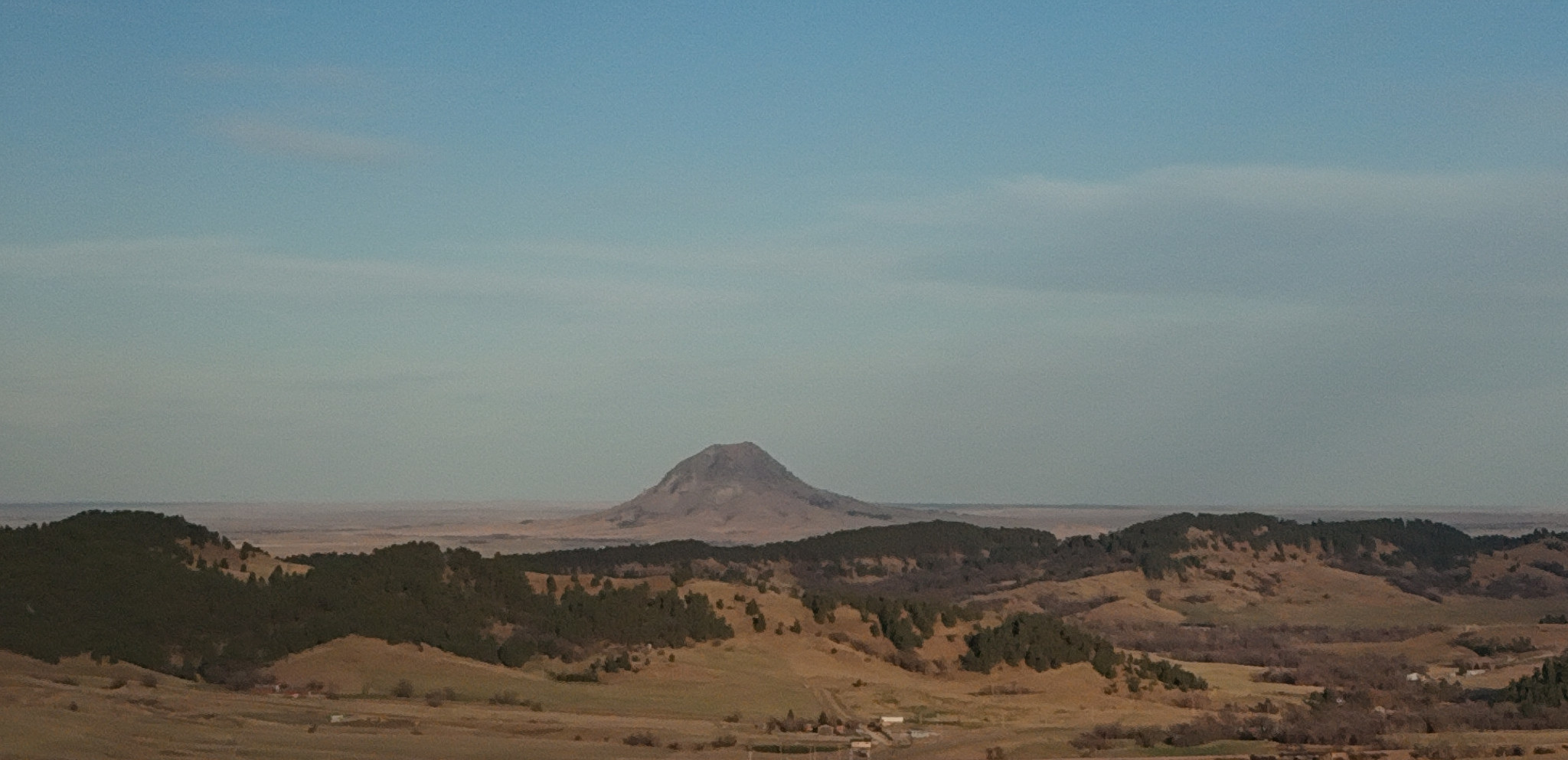
Just outside Sturgis, South Dakota, the Black Hills rise abruptly from the surrounding prairie. But before you disappear into the pine-covered hills, one mountain stands apart from the rest - Bear Butte.
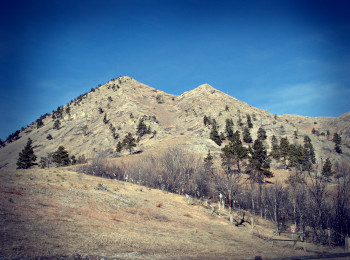
At roughly 4,400 feet, Bear Butte isn't particularly high by western standards. The hike to its summit isn't especially long either, about 3.5 miles. But don't let either number fool you. The climb is steep, exposed in places, and unlike just about any other hike in the Black Hills.
More importantly, Bear Butte is not simply another hiking destination. Known as Mato Paha to the Lakota and Noahȧ-vose to the Cheyenne, the mountain is sacred to several Native American peoples and remains an active place of prayer and ceremony today.
That makes hiking Bear Butte as much about respecting where you are as reaching the summit.
The Trail
The Bear Butte Summit Trail begins inside Bear Butte State Park, northeast of Sturgis. From near the trailhead, you can look up and see the ridgeline you'll eventually follow toward the summit.
It looks deceptively close.
The trail climbs roughly 1,000 feet over about 1.8 miles to the summit, making the round trip approximately 3.5 to 3.6 miles.
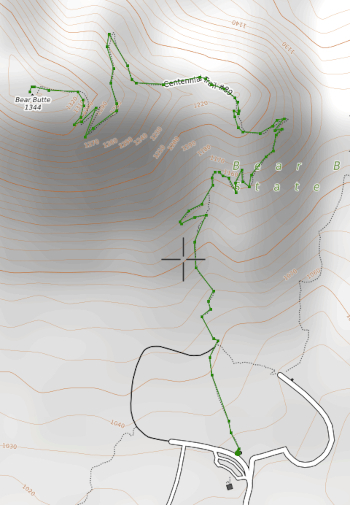
That doesn't sound difficult on paper, but your legs may have a different opinion.
The climbing begins almost immediately, and there aren't many long, level sections where you can recover. As the trail gains elevation, the terrain becomes increasingly rocky and the views become progressively better.
This is one of those hikes where stopping occasionally isn't a bad thing. Turn around. Look behind you. The landscape gets bigger with nearly every switchback.
Where the Black Hills Meet the Plains
One of the best things about Bear Butte is its location.
Most Black Hills hikes surround you with ponderosa pine, granite formations, narrow valleys, and forested ridges. Bear Butte gives you something different. It sits near the northeastern edge of the Black Hills, overlooking the Great Plains.
As you climb, the view of the scrub brush and a rocky trail begin being replaced by increasingly open views. Far below, the prairie stretches toward the horizon while the Black Hills rise in the opposite direction.
On a clear day, the view can seem almost impossibly large. The contrast is striking: dark, forested hills on one side and seemingly endless grasslands on the other.
It is easy to understand why this mountain has been an important landmark for centuries.
A Trail That Feels Different
As you climb Bear Butte, you may notice small bundles of brightly colored cloth tied to trees along the trail.
These are prayer cloths and prayer bundles.
They are not decorations, trail markers, or souvenirs. They have religious significance and should never be touched, moved, or disturbed.
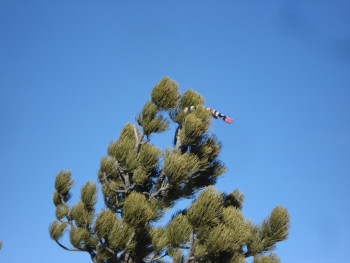
You may also encounter people who are on the mountain for prayer or ceremony rather than recreation.
Give them space.
Bear Butte remains a living sacred site. Treating the mountain with respect is part of hiking here.
That also means staying on the designated trail, keeping noise down, leaving everything exactly as you found it, and following park restrictions.
There are plenty of places in the Black Hills where you can treat the hike primarily as an outdoor adventure.
Bear Butte deserves a different approach.
Respect the Mountain: Bear Butte remains an active place of worship and ceremony. Do not disturb prayer cloths or offerings. Avoid photographing ceremonies or people engaged in prayer, and remain on designated trails.
The Final Climb
The upper portion of the trail is where Bear Butte starts making you work for the summit.
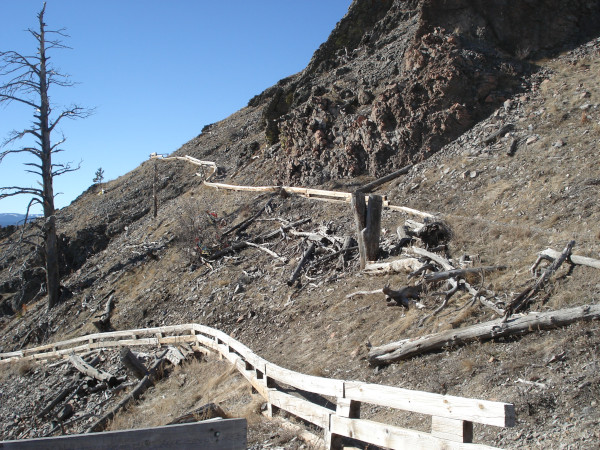
The trail becomes rockier and more exposed, and you'll probably notice the elevation gain more than you did during the first part of the hike.
But by now the scenery provides a convenient excuse to stop. Every few minutes there seems to be another viewpoint worth looking at. Eventually the trail follows the mountain's upper ridge toward the summit.
Then there isn't much mountain left above you.
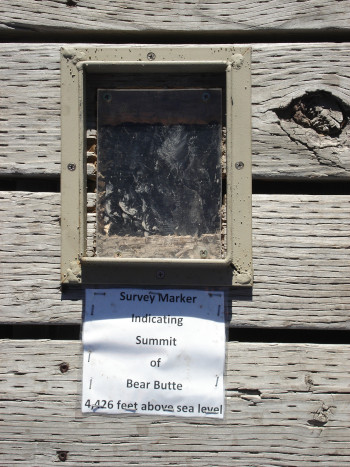
The View From Bear Butte
You've made it!
The summit isn't a dramatic granite pinnacle like some of the peaks deeper in the Black Hills. It doesn't need to be. The reward here is the panorama.
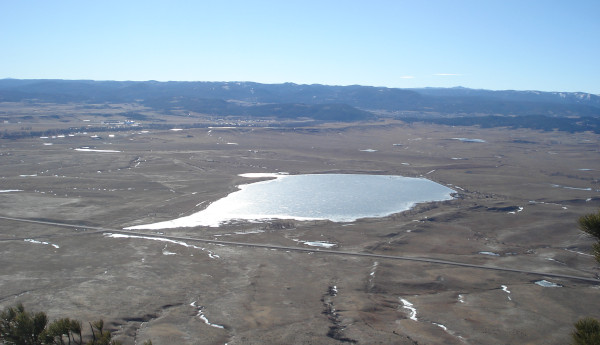
From the top, the landscape falls away in nearly every direction. Bear Butte Lake sits below, Sturgis lies to the southwest, and the northern Black Hills stretch away in the distance.
To the east and north, the prairie seems to continue forever. It is the kind of view that makes distances difficult to judge. Roads become thin lines. Buildings nearly disappear. The enormous western South Dakota landscape suddenly makes a little more sense.
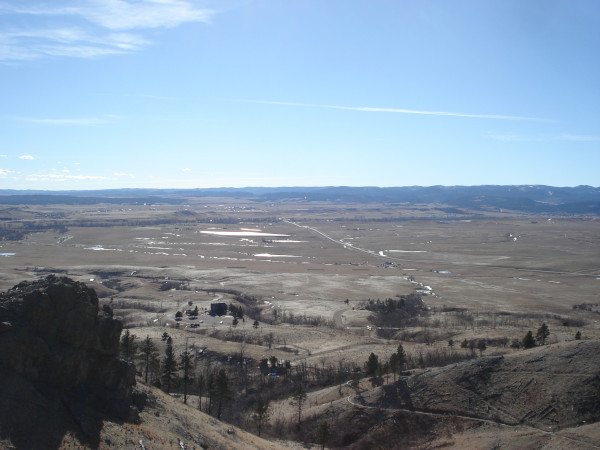
Don't rush back down.
After spending the effort to reach the summit, this is a good place to sit quietly for a while and simply look around.
Don't Forget the Wildlife
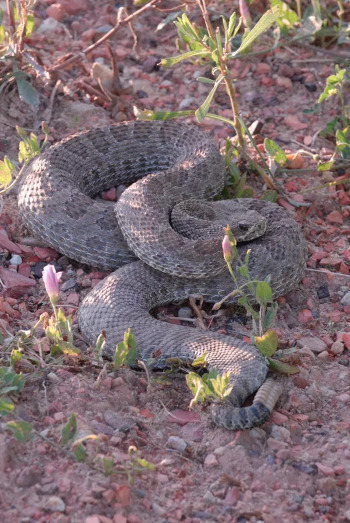
I have never encountered one on this trail, but I think it should be mentioned for hikers to be aware of where they walk/step. It is possible to encounter a prairie rattlesnake on or off the trail.
If you encounter one, admire it from a very generous distance if you want, but stay clear.
Spring and fall can be excellent times to make the climb because temperatures are generally cooler than during the middle of summer.
Summer hikes can become hot quickly.
Much of the upper trail is exposed to direct sunlight, and South Dakota's combination of heat, wind, and relatively dry air can make you go through water faster than expected.
An early morning start is usually worth the effort.
It also gives you a chance to experience the mountain during a quieter part of the day.
Winter is an entirely different experience. Snow and ice can turn a moderately strenuous hike into a much more serious outing, particularly on the steeper sections.
Whatever the season, check current park and trail conditions before heading up.
What to Bring
You don't need expedition equipment for Bear Butte, but a few things make the hike considerably more enjoyable.
Bring plenty of water, sturdy hiking shoes or boots, sunscreen, sunglasses, and some protection from the wind.
Trekking poles can be useful, particularly for the descent.
And bring a camera.
Just remember that photography deserves some discretion here. The landscape provides plenty of photographic opportunities, but ceremonies, people engaged in prayer, and religious objects should be treated with respect and privacy.
Sometimes the appropriate thing to do is simply leave the camera in your pack.
Is Bear Butte Difficult?
For regular hikers, Bear Butte is a moderately strenuous hike.
For someone who doesn't hike often, it may feel considerably harder.
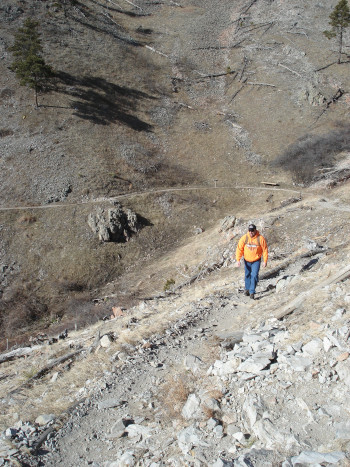
The distance isn't the challenge. The climbing is.
You gain much of the mountain's elevation over a relatively short distance, and the return trip requires descending the same steep and sometimes rocky terrain.
Take your time and don't worry about how quickly someone else is climbing.
The summit isn't going anywhere.
Why Bear Butte Is Worth the Climb
There are taller mountains in the Black Hills and there are longer trails. There are hikes with more dramatic rock formations and trails that disappear much farther into the wilderness. But there aren't many places quite like Bear Butte.
Part of the appeal is geographical. You're standing at the boundary between two very different landscapes—the immense Great Plains and this 4400 foot peak.
Part of it is historical.
And part of it comes from understanding that people were climbing this mountain for reasons far more important than recreation long before anyone thought about trail mileage, elevation gain, or summit photos.
So hike slowly. Look across the prairie. Respect the sacred objects you pass along the trail and spend some time at the summit.
When you head back down toward the plains, you'll probably understand why Bear Butte is much more than another hill outside Sturgis.
Before You Go
Bear Butte is an active sacred site as well as a South Dakota state park. Regulations, fees, trail conditions, fire restrictions, weather conditions, and access information can change.
Check current information from South Dakota Game, Fish and Parks before leaving for the trailhead.
Respect prayer and ceremonial activity, stay on designated trails, leave religious objects undisturbed, give wildlife plenty of space, and leave the mountain exactly as you found it.
Traveling Lens
Want the full-resolution original?
High-resolution photographs and video from our travels will be available for licensed download from Traveling Lens.
Keep Exploring
Related Stories
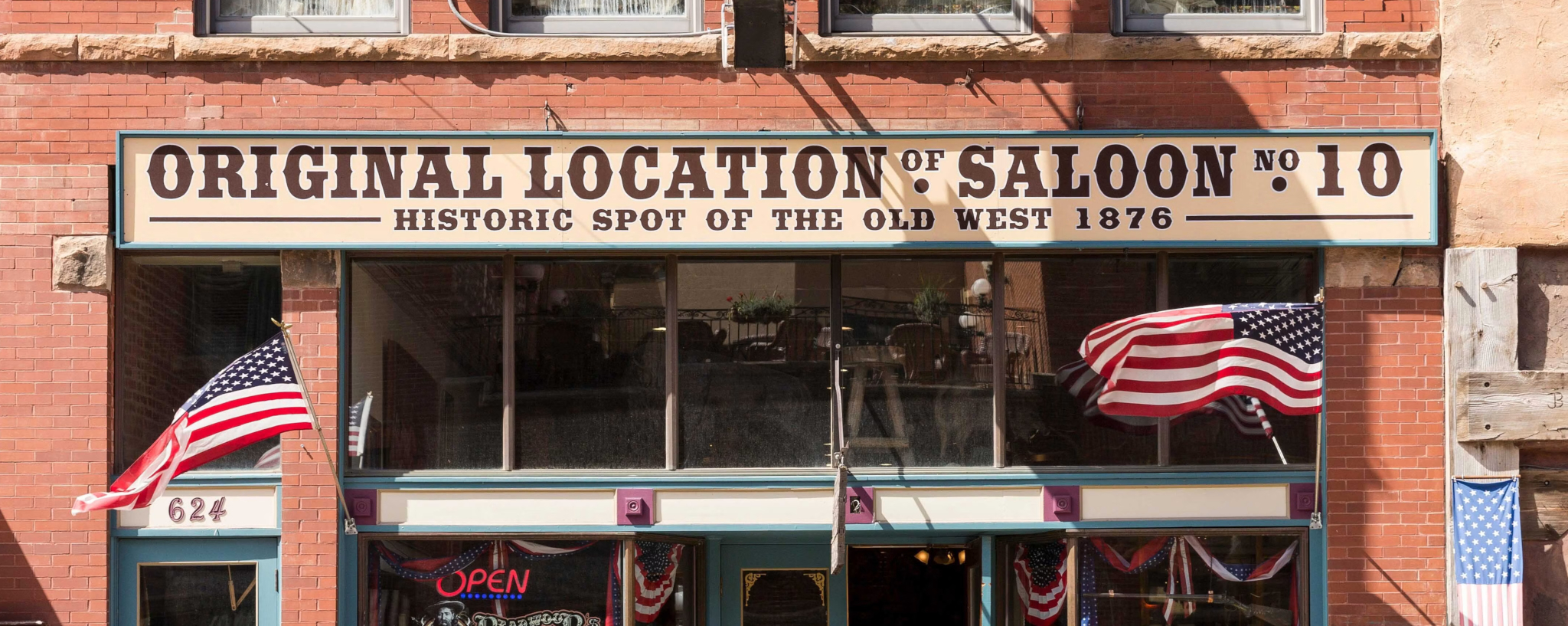
Saloon No. 10: Following Wild Bill's Final Hand Through Deadwood
Saloon No. 10 is inseparable from the story of Wild Bill Hickok, but Deadwood's history comes with an important twist: the modern …
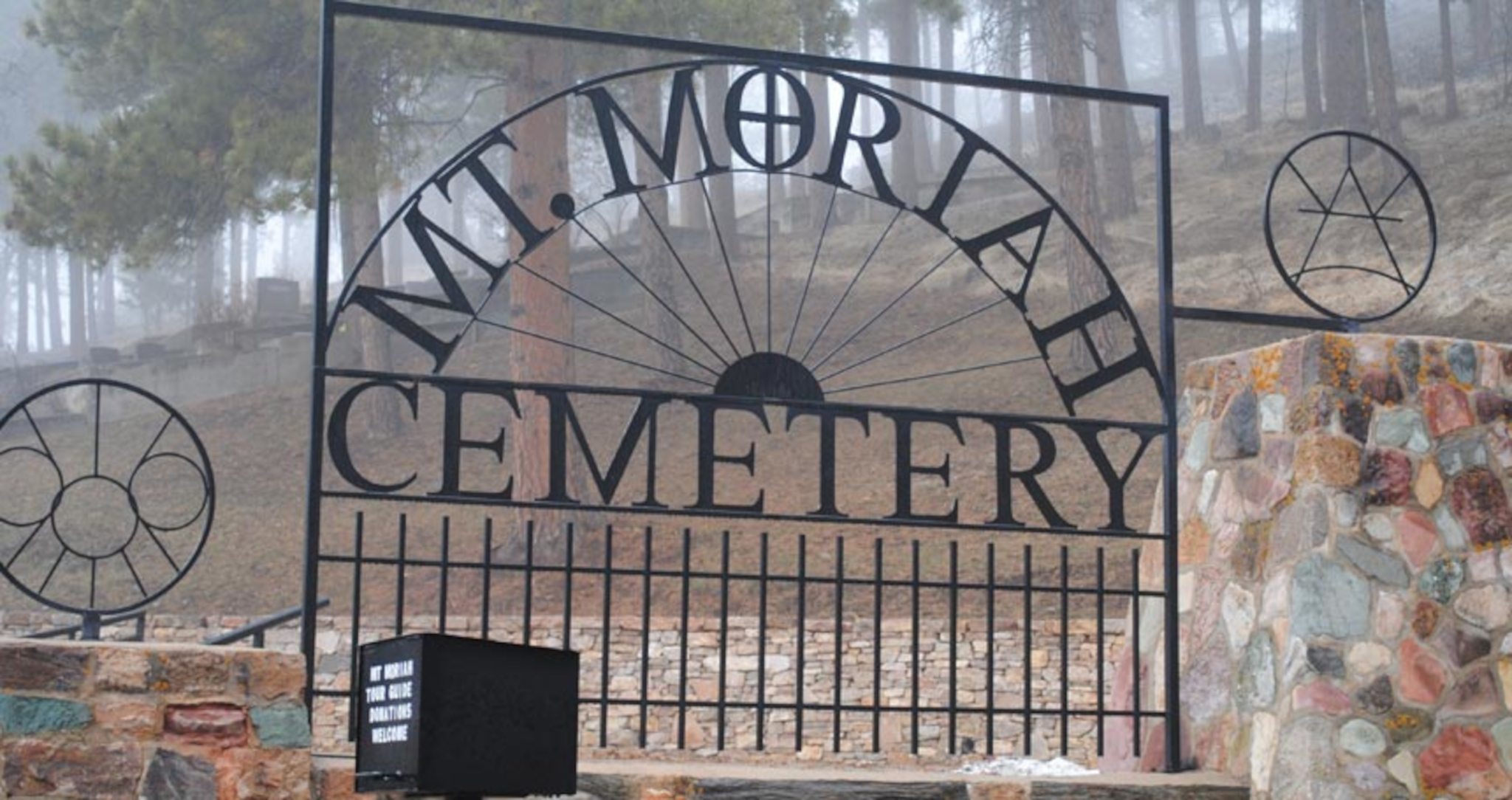
Mount Moriah Cemetery: Deadwood's History on the Hillside
High above Deadwood, Mount Moriah Cemetery holds far more than the graves of Wild Bill Hickok and Calamity Jane. Its steep roads …
Laura Ingalls Wilder: Finding the Little Town on the Prairie in De Smet, SD
Walk in the footsteps of Laura Ingalls Wilder in De Smet, South Dakota, where the open prairie, historic buildings, and stories of …