South Dakota · DeSmet, SD
Laura Ingalls Wilder: Finding the Little Town on the Prairie in De Smet, SD
Walk in the footsteps of Laura Ingalls Wilder in De Smet, South Dakota, where the open prairie, historic buildings, and stories of pioneer life inspired several of her beloved Little House books. Explore the places where Laura grew up, became a teacher, met Almanzo Wilder, and experienced life on the Dakota frontier.
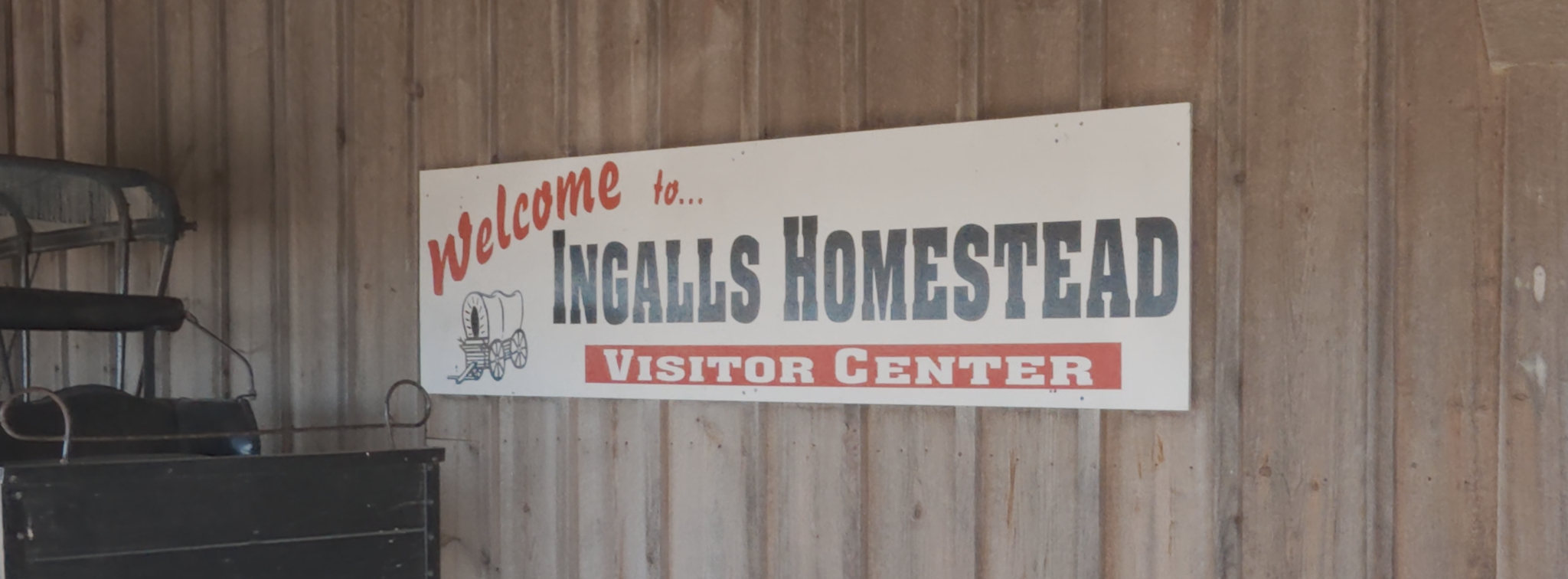
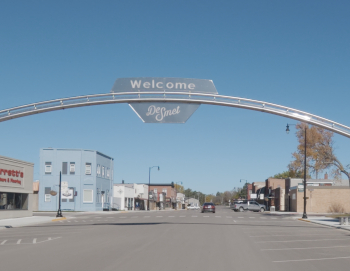
On the open prairie of eastern South Dakota sits the small town of De Smet, a place forever connected with one of America's best-known stories of pioneer life. Long before Laura Ingalls Wilder became the author of the Little House books, De Smet was where she spent some of the most important years of her youth—going to school, becoming a teacher, meeting Almanzo Wilder, and watching a new town take shape on the Dakota prairie.
For readers of the Little House series, visiting De Smet offers something unusual. This isn't simply a town commemorating a famous author. It is one of the actual landscapes that inspired her stories, and many of the places associated with the Ingalls family can still be explored today.
The Ingalls Family Comes to Dakota Territory
Laura Elizabeth Ingalls was born in Wisconsin in 1867. Her childhood was defined by movement as Charles and Caroline Ingalls took their family from Wisconsin to Kansas, Minnesota, Iowa, and eventually Dakota Territory.
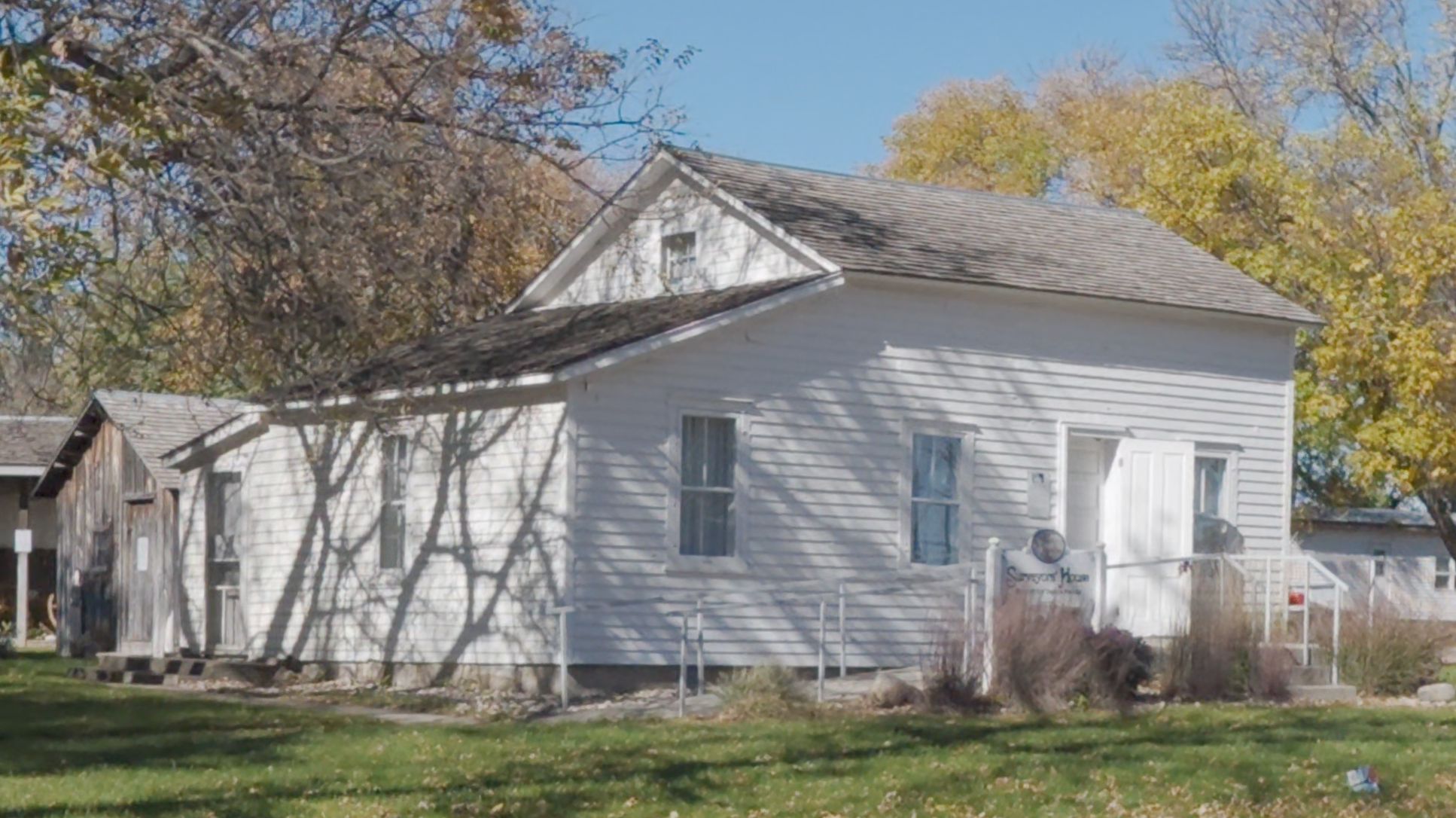
The Ingalls family arrived in the De Smet area in 1879, drawn west in part by the construction of the Chicago & North Western Railway. Charles Ingalls worked with a railroad construction crew, and the family spent its first Dakota winter in the Surveyor's House near Silver Lake.
At the time, there was hardly a town at all, but that quickly changed.
During the spring of 1880, buildings appeared across the prairie as settlers and businesses arrived along the new railroad. The growing settlement would become De Smet, and the Ingalls family was there during its earliest days.
Charles Ingalls filed a homestead claim southeast of town, where the family attempted to build the kind of independent life promised to thousands of settlers moving onto the Great Plains.
The Long Winter
Life on the Dakota prairie could be beautiful, but it could also be unforgiving.
The winter of 1880–1881 became one of the defining experiences of Laura's years in De Smet. Repeated blizzards struck the region, blocking railroad tracks and cutting the young community off from outside supplies.
Food and fuel became increasingly scarce.
The experience later became the foundation for The Long Winter, one of the most memorable books in the Little House series. Wilder's account describes a community enduring isolation, bitter cold, dwindling food supplies, and relentless storms while waiting for the railroad to reopen.
Standing on the prairie around De Smet today, it isn't difficult to imagine how exposed those early settlers must have felt. The landscape stretches toward the horizon with few natural barriers to stop the wind.
A Little Town on the Prairie
De Smet wasn't simply where the Ingalls family lived—it was a community Laura watched being created around her.
Businesses appeared along Calumet Avenue, the town's main street. Schools opened, churches were established, and families transformed what had been open prairie into a growing settlement.
Laura attended school in De Smet and experienced many of the events she would later describe in Little Town on the Prairie.
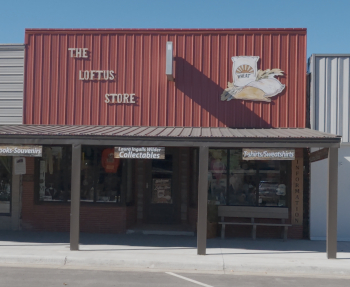
Some pieces of that early community remain.
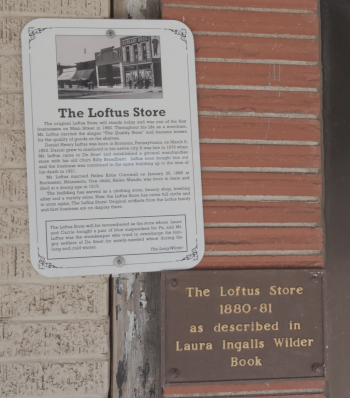
The historic Loftus Store, which appears in The Long Winter, still stands along Calumet Avenue. Walking through downtown De Smet provides an opportunity to connect the modern town with the streets and businesses described in Wilder's stories.
Laura Becomes a Teacher
Laura's transition from childhood to adulthood also happened in Dakota Territory.
At just 15 years old, she received a teaching certificate and began teaching at a small school away from home. Teaching offered young women one of the relatively few opportunities at the time to earn their own income.
It also brought Laura and Almanzo Wilder closer together.
Almanzo, a homesteader who had come to Dakota Territory in 1879, frequently drove Laura between her teaching assignment and her family's home. Their courtship eventually became part of the story told in These Happy Golden Years.
Laura and Almanzo married in 1885, when Laura was eighteen.
Laura and Almanzo Wilder
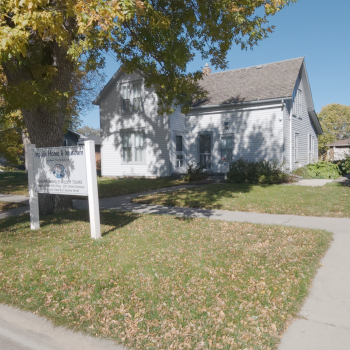
After their marriage, Laura and Almanzo began farming near De Smet.
Their first years together were difficult. They faced financial problems, illness, harsh weather, and setbacks familiar to many families attempting to establish farms on the Great Plains.
Their daughter, Rose Wilder Lane, was born in De Smet in 1886. A son born later died in infancy.
Laura eventually wrote about these challenging early years of marriage in The First Four Years.
The Wilders left South Dakota for periods of time, living in Minnesota and Florida before returning briefly to De Smet. In 1894, Laura, Almanzo, and Rose moved permanently to Mansfield, Missouri, where they established Rocky Ridge Farm.
It was there, decades later, that Laura began transforming her memories of frontier life into the books that would make her famous.
Five Books Connected to De Smet
De Smet occupies an unusually important place in the Little House story. Five books are set in or around the community:
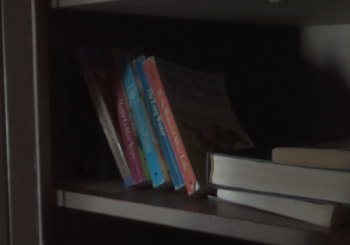
- By the Shores of Silver Lake
- The Long Winter
- Little Town on the Prairie
- These Happy Golden Years
- The First Four Years
Together, they follow Laura from adolescence into adulthood while also recording the transformation of the surrounding prairie into farms, railroads, businesses, and towns.
Although the books are literary works rather than documentary histories, many of their places, people, and events were drawn from Wilder's experiences in and around De Smet.
Visiting Laura's De Smet Today
More than a century later, De Smet remains closely connected to the Ingalls family.
Visitors can explore historic sites associated with Laura and her family, including the Surveyor's House, where the Ingalls family spent their first Dakota winter. The original Ingalls homestead house no longer survives, but the homestead site continues to interpret the family's life on the prairie.
The surrounding landscape may be just as important as the buildings.
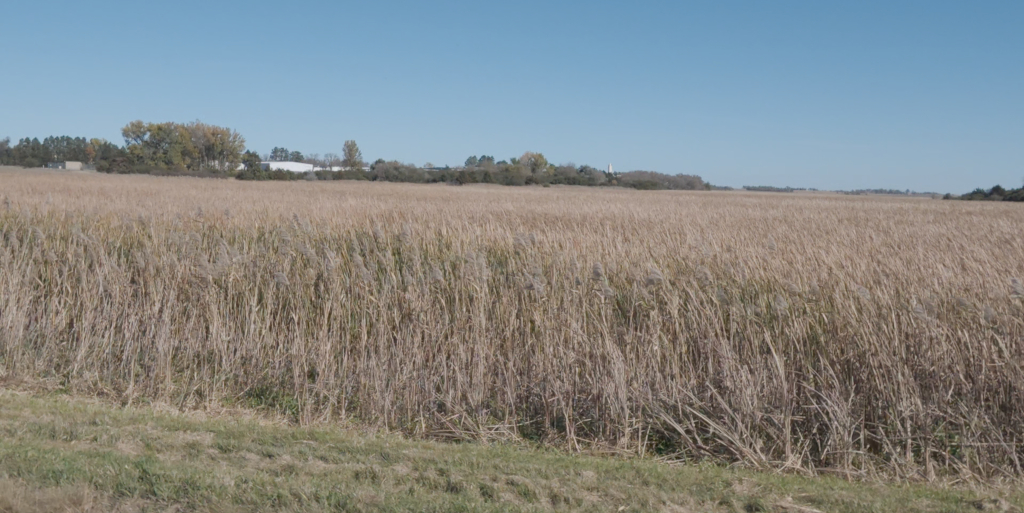
Places such as Silver Lake and the Big Slough appear repeatedly in Laura's descriptions of the area. The wetlands and open prairie help reveal the environment that shaped both the Ingalls family's experiences and Wilder's later writing.
Historic Calumet Avenue provides another connection with the early town Laura knew.
For anyone who grew up reading the books, familiar names suddenly become real places.
More Than a Children's Story
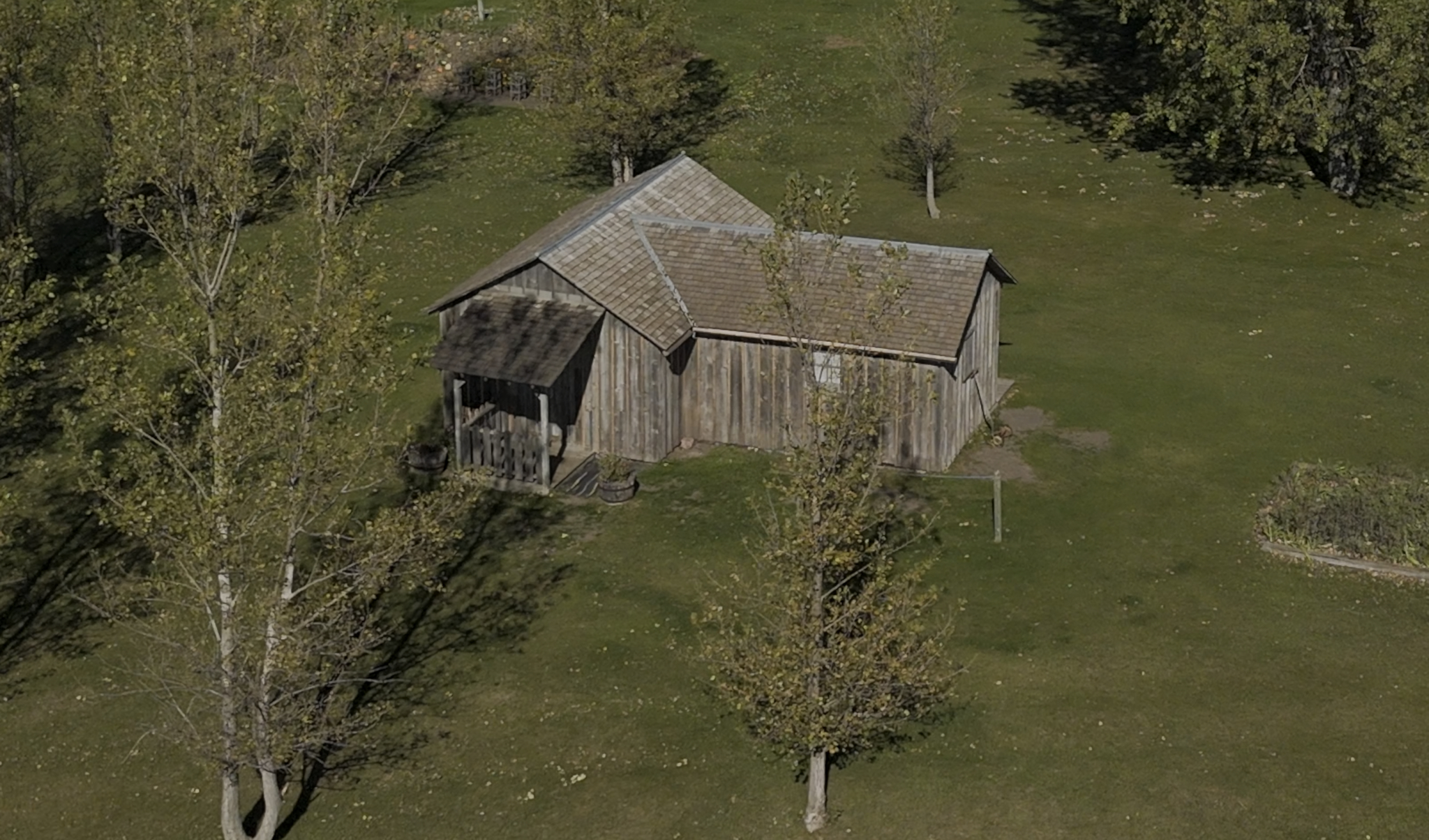
It is easy to think of Laura Ingalls Wilder simply as the author behind Little House on the Prairie. Visiting De Smet provides a broader perspective.
Her stories emerged from a period when railroads were pushing westward, new towns were appearing rapidly, and families were attempting to establish farms on land that could be both extraordinarily beautiful and extremely difficult to survive on.
They are also part of a larger and more complicated history of western settlement. The homesteading world experienced by the Ingalls family developed on lands long inhabited and used by Indigenous peoples, including the Dakota and Lakota. Understanding that broader history adds important context to the pioneer story preserved in De Smet.
A Place Where the Stories Become Real
De Smet isn't a large city or a flashy tourist destination, and that is part of what makes it worth visiting.
Drive beyond town and the landscape opens into the broad South Dakota prairie. Stand near Silver Lake, walk along historic Calumet Avenue, or visit the places associated with the Ingalls family, and the geography described in Wilder's books begins to make sense.
For fans of Laura Ingalls Wilder, De Smet offers the opportunity to do something a book alone cannot provide: stand in the landscape where many of the stories actually happened.
More than 140 years after the Ingalls family arrived, the little town on the prairie is still there.
Traveling Lens
Want the full-resolution original?
High-resolution photographs and video from our travels will be available for licensed download from Traveling Lens.
Gear Used
What we brought
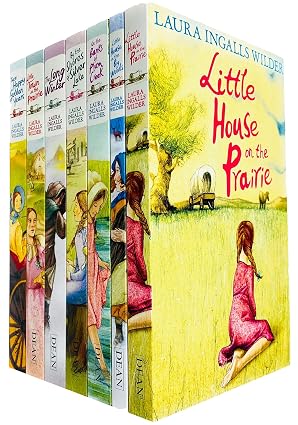
Little House on the Prairie Series 7 Books Collection by Laura Ingalls Wilder
Paperback
View on Amazon →Keep Exploring
Related Stories
Laura Ingalls Wilder: On the Banks of Plum Creek in Walnut Grove, MN
Follow Laura Ingalls Wilder to the banks of Plum Creek near Walnut Grove, Minnesota, where the Ingalls family lived in a dugout, …
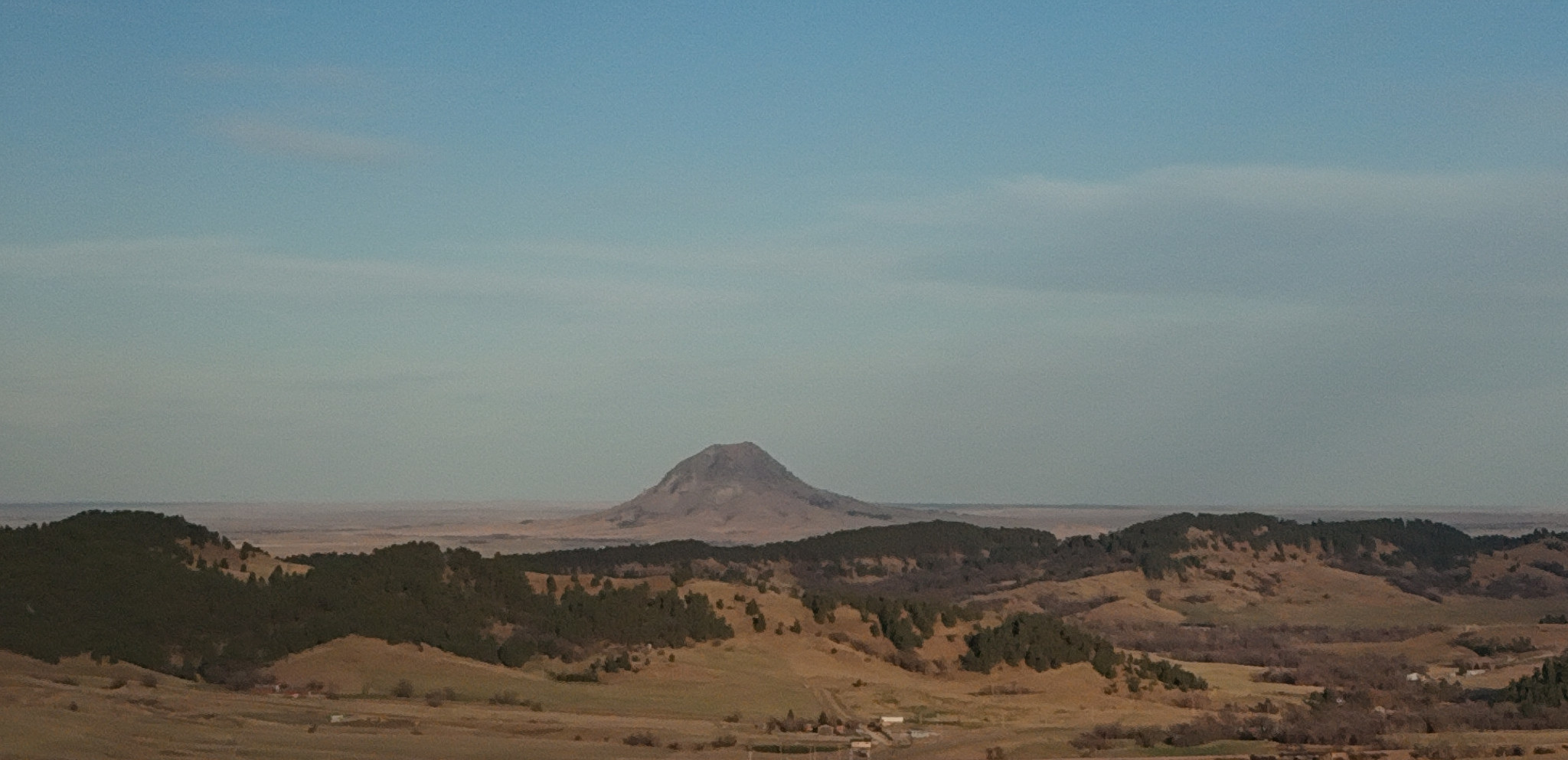
Hiking Bear Butte: A Sacred Summit on the Edge of the Black Hills
Rising above the plains northeast of Sturgis, Bear Butte offers one of western South Dakota's most distinctive hikes. The short but steep …
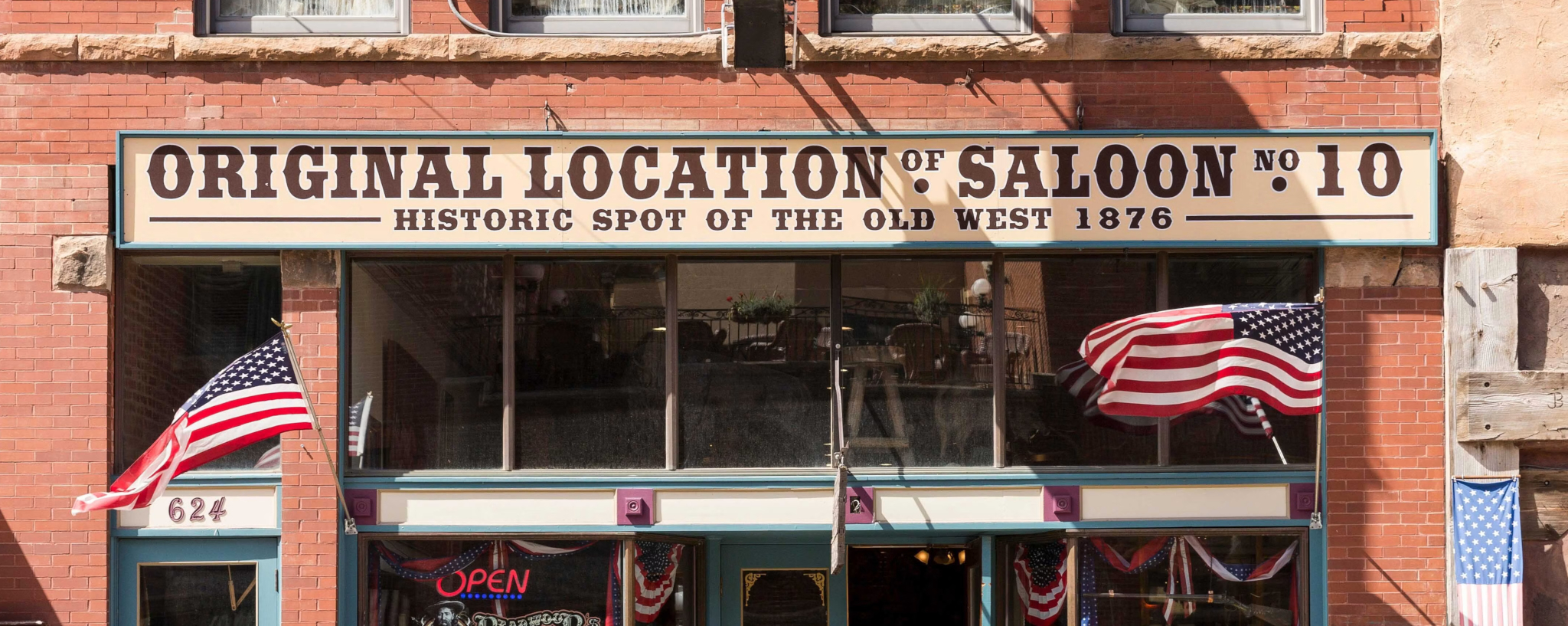
Saloon No. 10: Following Wild Bill's Final Hand Through Deadwood
Saloon No. 10 is inseparable from the story of Wild Bill Hickok, but Deadwood's history comes with an important twist: the modern …